Reviewing the Unicorn Cats Funny Outline for Embroidery
As a designer who spends half my life staring at stitch previews and the other half troubleshooting thread breaks, I have learned to be skeptical of cute concepts. We all know that what looks adorable on a screen can sometimes turn into a tangled mess of satin stitches on fabric. When I first pulled up the Unicorn Cats Funny Outline, my initial reaction was one of cautious optimism. The concept is undeniably charming—merging two internet favorites into a single whimsical creature—but my job is to look past the novelty and determine if this design holds up under the needle.
This is not just a graphic; it is a potential cornerstone for a handmade product line. Whether you are an Etsy seller looking to refresh your nursery decor collection or a hobbyist making a personalized gift for a friend who loves quirky humor, understanding how this file translates from digital asset to physical thread is crucial. Let’s break down how this design performs in real-world scenarios.
First Impressions and Visual Personality
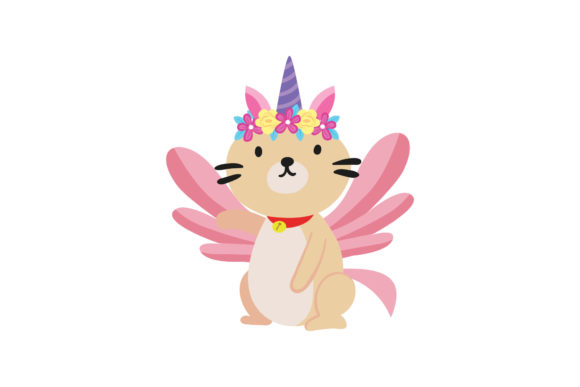
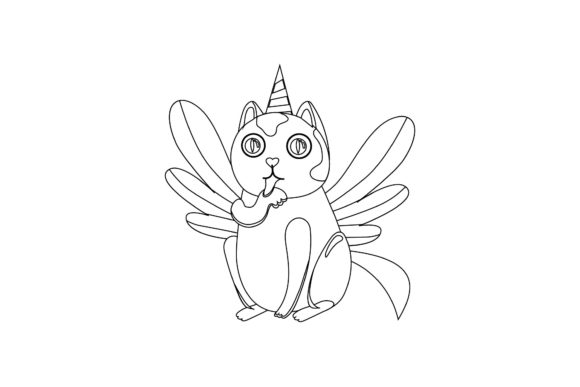
The mood of the Unicorn Cats Funny Outline is playful and lighthearted. It does not take itself seriously, which is exactly why it works. In the world of Illustrations and Graphics, outline styles are often preferred for their clean, modern aesthetic. For embroidery, this is generally good news. Outlines tend to use less thread than heavy fill areas, reducing the risk of fabric puckering and keeping the design flexible.
However, "outline" can mean different things in digital files versus embroidery. When evaluating this for a machine embroidery design, I look at the continuity of the lines. Are they broken in a way that suggests a running stitch, or are they thick enough to support a narrow satin stitch? The visual personality here suggests a design that relies on clarity. If the lines are too thin, they may disappear on textured fabrics. If they are too complex, they might require excessive trimming. The charm lies in its simplicity, making it a strong candidate for various design assets.
Real-World Application: The Tote Bag Test
To truly test a design, I imagine it on a specific product. Let’s say I am preparing a custom order for a local boutique: a set of canvas tote bag design samples. Canvas is durable but has a distinct weave. I visualize the Unicorn Cats Funny Outline stitched in a contrasting white thread on a natural beige canvas. The result is striking. The open nature of the outline allows the texture of the fabric to show through, giving the piece a high-end, artisanal feel rather than a mass-produced look.
This same logic applies to sweatshirt embroidery. On a fleece or cotton blend hoodie, the design needs to breathe. A heavy, dense fill stitch on a sweatshirt can feel stiff and uncomfortable against the skin. An outline style, assuming it uses appropriate stitch types like a running stitch or a light satin stitch, remains soft and flexible. This makes it ideal for custom apparel where comfort is as important as aesthetics. It also scales well for smaller items like baby embroidery projects, such as bibs or onesies, where bulk must be minimized.
Navigating Technical Challenges
While the concept is solid, there are areas where caution is required. Any designer knows that outlines can be tricky on stretchy fabrics. If you are applying this to a jersey knit t-shirt, you must use a high-quality stabilizer. Without proper support, the tension of the stitching can distort the shape of the cat’s ears or the unicorn horn, ruining the comedic effect.
Additionally, consider the hoop size. If you are working with a small 4x4 hoop, you need to ensure the design fits comfortably without hitting the edges. Since the product description mentions a canvas size of 1920px by 1280px, this indicates a high-resolution digital graphic. However, for embroidery, we need vector or machine-specific data. The listing provides AI, EPS, SVG, and DXF files. These are excellent for cutting machines or creating applique templates, but they are not native embroidery formats like PES or DST. This is a critical distinction.
If you intend to use this as an applique design, the SVG or DXF files are perfect for cutting out fabric shapes to stitch down. You could create a multi-layered look by cutting the unicorn-cat shape from felt and stitching it onto a denim jacket. This approach solves many density issues and adds tactile interest to your finished product. But if you are expecting a pre-digitized embroidery file ready to load into your machine, you will need to digitize these vectors yourself or convert them using specialized software, checking stitch density and pathing manually.
Commercial Viability and Brand Consistency
For craft business owners, consistency is key. The Unicorn Cats Funny Outline fits well into a brand that values humor and whimsy. It appeals to a broad demographic, from teenagers to adults who appreciate irony. Using this design on holiday embroidery items, such as Christmas stockings or Easter baskets, can add a unique twist to traditional decor. It stands out in a crowded marketplace because it avoids the overly saccharine tone of typical unicorn designs.
When creating printable mockup previews for your online shop, remember that lighting and thread choice matter. Test the design in black and white first to ensure the silhouette is recognizable. If the outline relies solely on color contrast to define the shape, it may fail on low-contrast fabrics. Always check thread colors against your background material. A dark thread on dark fabric will render the design invisible, no matter how funny the concept is.
Practical Designer Notes
Before you commit to a large production run or list this as a small shop product, follow these steps:
- Test on scrap fabric: Never stitch directly on the final garment. Use the same fabric type and weight to check for puckering or distortion.
- Verify file usage: Since the package includes AI, EPS, SVG, and DXF files, confirm your workflow. Are you digitizing these for embroidery, or using them for print-on-demand? Ensure you have the right tools for the job.
- Check licensing: The description thanks visitors but does not explicitly state commercial rights for the embroidery output. Always clarify if you can sell finished items made with these graphics. Most digital art licenses allow for physical sales but restrict reselling the digital file itself.
- Consider stabilizer type: For lightweight fabrics, use a cut-away stabilizer. For stable woven fabrics like tote bags, a tear-away may suffice, but test first.
- Evaluate detail level: Look closely at the eyes and whiskers in the vector file. If they are extremely fine, you may need to simplify them for embroidery to prevent thread breaks and bird nests.
In conclusion, the Unicorn Cats Funny Outline is a versatile and engaging design element. It bridges the gap between digital illustration and tangible craft. With careful attention to technical execution—particularly regarding file conversion and fabric stabilization—it can elevate your commercial embroidery offerings. It is not just a cute picture; it is a tool for creating connection and joy through handmade goods. Treat it with the respect it deserves, test it thoroughly, and it will likely become a reliable staple in your creative toolkit.