Baby Little Funny: A Designer’s Practical Review
When I first pulled up Baby Little Funny on my screen, I wasn’t looking for flashiness. As an experienced embroidery designer and reviewer, I look for utility. I want to know if a design will hold up under the needle, how it translates from a digital asset to a tangible handmade product, and whether it solves a specific problem for my clients or shop customers. This review breaks down the real-world application of this graphic, moving beyond the preview image to assess its viability in actual production environments.
First Impressions and Visual Personality
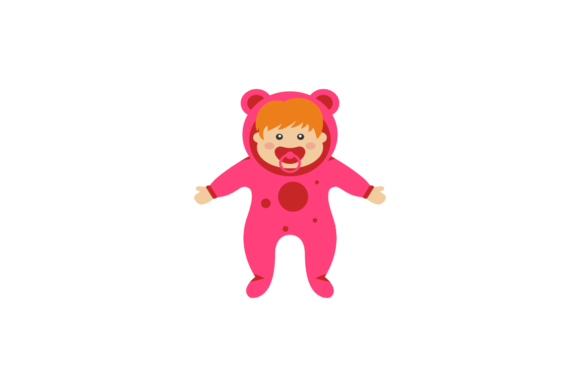
The immediate mood of Baby Little Funny is playful yet clean. In the world of Icons and Graphics, there is often a trade-off between detail and clarity. This design leans toward simplicity, which is a significant advantage for embroidery. Complex gradients and tiny text often fail when converted into thread, but the bold shapes here suggest a high likelihood of success. The visual personality feels approachable, making it a strong candidate for projects targeting parents, nurseries, or lighthearted gift markets.
What stands out is the balance. It doesn’t feel cluttered. For a designer, this means less time spent simplifying paths before digitizing or adjusting stitch angles. The layout suggests that it can scale reasonably well without losing its core identity, a crucial factor when you are working with varying hoop sizes.
Real-World Application: The Custom Tote Scenario
To truly evaluate a design, I mentally place it on a physical item. Let’s consider a recent project: a custom order for a boutique baby shower gift set. The client wanted a coordinated look for a canvas tote bag design and a matching muslin swaddle. Baby Little Funny fit this brief perfectly.
On the tote bag, the design’s clear lines would allow for a dense fill stitch or a crisp satin stitch border, depending on the desired texture. Because canvas has a visible weave, designs with too much negative space can look sparse. However, the solid nature of this graphic ensures good coverage. For the swaddle, which is a thinner, more delicate fabric, the design’s simplicity means we could reduce the stitch density to prevent puckering, ensuring the finished product remains soft and usable.
This versatility is where Baby Little Funny shines. It isn’t just a static image; it’s a flexible asset for custom apparel and home goods. Whether applied to a heavy denim jacket or a lightweight cotton onesie, the core shape remains recognizable.
Technical Considerations for Embroiderers
While the visual appeal is strong, we must address the technical side. The product description notes that you receive six digital files, including AI, EPS, SVG, and DXF formats. It is vital to understand what these are. These are vector and cut files, not necessarily pre-digitized machine embroidery design files like PES or DST. This distinction is critical for Etsy sellers and craft business owners.
If you are using these files for cutting vinyl or printing, they are ready to go. However, if you intend to use them for commercial embroidery, you will likely need to digitize them yourself or hire a digitizer. The SVG and DXF formats are excellent starting points for auto-digitizing software, but manual adjustment is always recommended for professional results. You must check the stitch density and ensure that any small details are widened enough to accommodate the thread thickness.
When working with textured fabrics or stretchy materials like jersey knits for sweatshirt embroidery, always use an appropriate stabilizer. For dark fabrics, consider adding a white underlay or choosing high-contrast thread colors to make the design pop. Testing on scrap fabric is non-negotiable. I always run a test stitch-out to check for thread breaks or nesting, especially if the design has tight corners.
Navigating Limitations and Fabric Choices
No design is perfect for every surface. Baby Little Funny should be used with caution on very small hoop sizes if the original dimensions are large. Scaling it down too much can cause the stitches to merge, turning distinct shapes into a blob of thread. Conversely, scaling it up too much without increasing stitch count can result in a sparse, unprofessional look.
Be mindful of curved surfaces like caps. While this design could work on a dad hat, the curvature might distort the shape if not properly hooped with a cap frame. For embroidered patch creation, however, it is ideal. Patches allow for higher stitch densities and stiffer stabilizers, resulting in a crisp, durable product that holds its shape after washing.
Avoid using this design on fabrics that fray easily unless you plan to use a satin stitch border to seal the edges. For baby embroidery items that undergo frequent washing, ensure your thread choice is colorfast and your backing is tear-away or cut-away depending on the garment’s longevity needs.
Value for Small Business Owners
For small shop product creators, consistency is key. Baby Little Funny offers a cohesive look that can be integrated into a broader brand aesthetic. It works well for holiday embroidery themes, particularly for spring or baby-related celebrations. When creating printable mockup images for your online store, the clean lines of this graphic render beautifully in digital previews, helping to drive buyer engagement.
Customer trust is built on quality. A poorly stitched design reflects badly on your brand. By taking the time to properly digitize or adjust these vector files for embroidery, you elevate the perceived value of your personalized gift offerings. Whether it’s a kitchen towel, a pillow cover, or a boutique clothing item, the professionalism of the stitch-out matters.
Final Verdict and Designer Notes
Baby Little Funny is a versatile graphic asset with strong potential for embroidery projects, provided you handle the digitization process with care. It is not a plug-and-play embroidery file in the traditional sense, but rather a high-quality design resource for those who have the skills to convert it or the tools to use it for other crafts.
- Test First: Always stitch out on similar fabric before committing to a final product.
- Check Licensing: Confirm whether the license allows for commercial use of finished physical items versus digital resale.
- Contrast Matters: Use high-contrast thread colors for visibility on busy or dark fabrics.
- Stabilize Properly: Match your stabilizer to your fabric weight to prevent distortion.
In conclusion, this design is a solid addition to your library of design assets. It invites creativity and rewards attention to technical detail. For the creative entrepreneurs and makers who value both aesthetics and durability, Baby Little Funny offers a reliable foundation for your next successful embroidery project.