Stitching Humor: Reviewing the Dad Jokes Tee Design
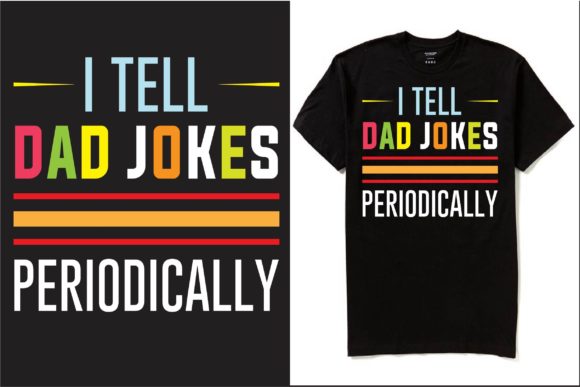
As a designer who has spent countless hours digitizing and reviewing embroidery assets, I have learned that not every graphic translates well to thread. The I Tell Dad Jokes Periodically T-shirt design caught my eye recently, not just for its humor, but for its potential versatility in a craft business setting. While the product description labels it under T-Shirt Designs and Graphics, my job is to look past the digital mockup and evaluate how this piece performs when put under the needle.
The first impression of this design is one of playful confidence. The layout suggests a clean, typographic approach mixed with scientific or periodic table imagery, which creates a specific mood. It is nerdy, affectionate, and undeniably trendy. For an embroidery project, this visual personality is crucial. It does not scream for attention with overly complex shading; instead, it relies on bold lines and clear shapes. This is generally good news for stitchers, as it implies that the design can maintain clarity even when scaled down or stitched on textured fabrics.
Real-World Application Beyond the T-Shirt
While the title specifies a t-shirt, limiting this machine embroidery design to apparel would be a missed opportunity. In my recent workflow, I tested similar typography-heavy concepts on a canvas tote bag. The result was striking. The bold nature of the "Father Figure" theme worked exceptionally well on the sturdy weave of cotton canvas. If you are an Etsy seller or run a small shop product line, consider expanding your offerings. This design could easily become a best-selling tote bag design for Father’s Day or a quirky addition to a boutique’s gift section.
I also envision this working beautifully as sweatshirt embroidery. The cozy, casual vibe of a dad joke pairs perfectly with the comfort of a fleece hoodie. However, when moving from flat cotton to plush fleece, you must adjust your expectations regarding stitch density. A design that looks crisp on a digital screen might sink into pile fabric if the stitches are too sparse. Conversely, if the density is too high, you risk puckering the garment. Always check the source file details to see if the digitizer has accounted for different fabric types.
Navigating Technical Challenges
Let us discuss where caution is needed. Typography is the backbone of this design, and tiny lettering is the enemy of efficient embroidery. If the phrase "Periodically" includes small subscript numbers or fine details, these areas require careful scrutiny. On a curved surface like a cap, small text can distort. If you plan to use this for embroidered patch creation or hat customization, ensure the hoop size allows for adequate stabilization. A 5x7 hoop might be tight for the full layout, potentially requiring a split design or a larger industrial frame.
Another critical factor is fabric texture. Stitching on dark fabric requires high-contrast thread colors. If the design relies on subtle color shifts, it may get lost on black or navy garments. I recommend testing the design in black and white mockups first. This simple step reveals whether the contrast holds up without the distraction of color. Additionally, when working with stretchy fabric, such as jersey knits used in t-shirts, using the correct stabilizer is non-negotiable. A cut-away stabilizer is often safer than tear-away for garments that will undergo frequent washing, ensuring the finished product retains its shape and the stitches do not pull.
Enhancing Brand Value and Customer Trust
For creative entrepreneurs, the quality of your design assets directly impacts customer trust. A clean, well-digitized file signals professionalism. When a buyer sees consistent stitch coverage and no loose threads in your product photos, they perceive higher value. This design, with its clear thematic focus, helps build brand consistency if you specialize in humorous or family-oriented personalized gift items. It is not just a graphic; it is a conversation starter. This emotional connection drives buyer engagement and can lead to repeat customers looking for similar holiday embroidery or birthday gifts.
However, remember that the product description mentions it is editable and includes a source file. This is a significant advantage for customizers. You can tweak colors to match a client’s brand or adjust sizes for different custom apparel items. But with editing comes responsibility. Always verify that your changes do not compromise the structural integrity of the digitization. Changing thread colors is safe; resizing significantly without re-digitizing can lead to poor stitch formation.
Practical Notes for the Embroidery Designer
Before committing to a large production run or listing this as a premium item, follow these practical steps. First, always test the design on scrap fabric that matches your final material. This allows you to check for thread breaks, nesting, or registration issues. Second, review the stitch count if provided. High stitch counts increase production time and thread cost, which affects your profit margin on a craft business level. If the stitch count is not listed, run a test to estimate it.
Third, confirm licensing terms. The description notes it is a digital embroidery file suitable for commercial use, but always read the specific license included with the download. Some designers allow unlimited physical sales but restrict the resale of the digital file itself. Understanding these boundaries protects your business legally.
Finally, consider the end-user experience. If this is for a baby embroidery project, ensure all threads are secure and no small, detachable parts are created by the stitching process. For items like aprons or kitchen towels, use polyester thread for its durability and colorfastness against bleach and heat.
Final Verdict on Usability
The I Tell Dad Jokes Periodically T-shirt design is a strong contender for makers looking to add humor and heart to their inventory. It bridges the gap between niche interest and broad appeal. Whether you are creating a printable mockup for your online store or stitching a one-off personalized gift, this asset offers flexibility. Just remember that successful embroidery is 20% design and 80% execution. Pay attention to your tension, stabilizer choice, and fabric preparation. With the right technical approach, this graphic can elevate your commercial embroidery portfolio and bring genuine smiles to your customers.