Stitching Cat Shirt: A Designer’s Practical Review
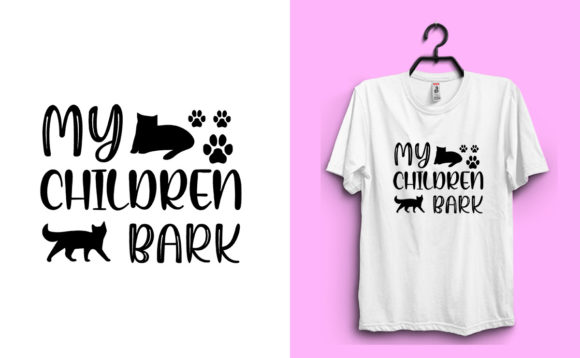
As someone who has spent countless hours digitizing, testing, and stitching out designs for clients, I have learned that not every graphic translates well to thread. When I first encountered the Cat Shirt collection, my initial reaction was cautious curiosity. The market is saturated with feline motifs, ranging from hyper-realistic portraits to minimalist line art. What sets this specific bundle apart is its focus on personality—specifically, the blend of funny cat sayings and sarcastic design elements that resonate with modern buyers.
Before loading any file into my embroidery machine, I always assess the visual structure. This collection falls under the category of Print Templates and Graphics, which means the source files are optimized for clarity. However, converting a digital graphic into a tangible embroidery project requires a different mindset. I looked at the included assets—one PNG and one SVG file—and immediately began mentally mapping how these shapes would behave under the needle.
First Impressions and Visual Personality
The mood of the Cat Shirt designs is playful yet sharp. It captures that specific internet-era humor that appeals to millennials and Gen Z consumers. From a design perspective, the layouts are generally clean, avoiding excessive clutter that can turn into a nightmare when stitched. The visual personality is bold, relying on strong silhouettes and readable typography. This is crucial because embroidery lacks the infinite resolution of print; details must be simplified to remain legible.
I appreciate that the designs do not rely solely on intricate shading. Instead, they use contrast and shape to convey the message. This makes them versatile candidates for various machine embroidery design applications. Whether you are creating a custom apparel piece for a boutique or a quick personalized gift for a friend, the aesthetic fits seamlessly into current trends without feeling dated.
Real-World Application: The Tote Bag Test
To truly evaluate the utility of these graphics, I imagined a common scenario for many Etsy sellers and craft business owners: producing a run of canvas tote bags. Canvas is a sturdy fabric, but it has a distinct texture that can interfere with small details. I selected one of the sarcastic saying designs from the bundle to visualize on a natural-colored cotton canvas.
The result, in my mind’s eye, was promising. The bold lines of the Cat Shirt graphic would hold up well against the weave of the canvas. For this application, I would recommend using a fill stitch for larger solid areas to ensure coverage, while employing a satin stitch for borders to create a crisp, professional edge. The design’s simplicity means it wouldn’t require an excessive amount of thread, keeping production costs manageable for a small shop product.
Beyond tote bags, these designs are excellent for sweatshirt embroidery. The relaxed fit of a crewneck provides ample space for a chest logo or a larger back print. The humorous nature of the sayings adds value to the garment, transforming a basic blank into a statement piece. This is where the finished product gains perceived value, allowing creators to charge a premium for the customization.
Navigating Technical Challenges
While the designs are visually appealing, there are areas where caution is necessary. Since the bundle provides PNG and SVG files rather than native embroidery formats like PES or DST, the user must digitize the artwork themselves or use auto-digitizing software. This is a critical step. Auto-digitizing often fails with text, creating jagged edges or unstable columns. If you are using the text-heavy versions of the Cat Shirt collection, you must manually adjust the stitch angles and density.
Consider the stitch density carefully. On stretchy fabrics like jersey t-shirts, a dense fill can cause puckering. I advise using a lightweight cut-away stabilizer to support the fabric during stitching. For curved surfaces, such as caps or hats, the design placement becomes tricky. A wide, horizontal saying might distort over the front panel of a cap. In such cases, I recommend scaling down the design or choosing a version with a more compact layout.
Another concern is tiny lettering. Sarcastic sayings often rely on wit delivered through small print. In embroidery, letters smaller than 0.2 inches can become illegible, especially after washing. Always test the design on scrap fabric first. Check the thread colors against your background fabric. High contrast is your friend here; a dark thread on a dark fabric will vanish, ruining the impact of the embroidered patch or direct stitch.
Enhancing Brand Consistency and Value
For digital product sellers and creative entrepreneurs, consistency is key. The Cat Shirt bundle offers a cohesive look that can help build brand recognition. If you specialize in pet-themed goods, integrating these designs into your lineup strengthens your niche authority. Customers trust shops that display a clear aesthetic. Using these design assets in your printable mockup previews can also boost engagement on social media, showing potential buyers exactly how the design looks on a real product.
Moreover, the versatility of the bundle allows for expansion into holiday embroidery or seasonal items. A cat design with a subtle holiday twist can serve as a unique wedding gift or baby shower present. The emotional connection people have with their pets makes these items highly giftable. When a customer sees a well-executed baby embroidery item featuring a cute cat saying, they are not just buying a onesie; they are buying a memory.
Practical Notes for the Embroiderer
Before you commit to a large production run, keep these practical tips in mind:
- Test on Scrap Fabric: Always stitch out a sample on the same type of fabric you intend to use for the final product. This reveals issues with tension and registration.
- Check Licensing: While the bundle includes commercial-use-friendly graphics, always confirm the specific license terms provided by the creator. Ensure you are allowed to sell physical items made with these designs.
- Digitize with Care: Since you receive SVG and PNG files, you are responsible for the digitization process. Use professional software to convert paths into stitches, paying attention to underlay and pull compensation.
- Contrast Matters: View your design in black and white to ensure the shapes are distinct. If the design disappears in grayscale, it will likely lack definition when stitched.
- Hoop Size Selection: Choose a hoop that minimizes the need for re-hooping. A single-hoop design reduces the risk of misalignment, which is crucial for maintaining professionalism in your commercial embroidery work.
In conclusion, the Cat Shirt collection is a robust resource for designers who understand the nuances of turning graphics into thread. It offers the raw material needed to create engaging, sellable products, provided you apply proper technical judgment. By respecting the limitations of the medium and leveraging the strengths of the design, you can create standout items that resonate with customers and elevate your craft business.