Reviewing the Thanksgiving Turkey Embroidery Design
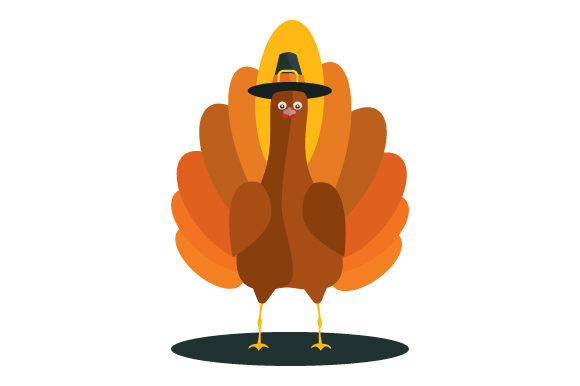
As an embroidery designer who has spent countless hours staring at digitized files and troubleshooting thread breaks, I approach every new machine embroidery design with a mix of curiosity and skepticism. We all know that what looks crisp on a screen does not always translate perfectly to fabric. Recently, I had the chance to evaluate Thanksgiving Turkey, a whimsical piece featuring a tall turkey sporting a pilgrim hat. This is not just another generic holiday motif; it carries a specific personality that demands careful consideration before you commit it to your next embroidery project.
First Impressions and Visual Personality
The immediate appeal of Thanksgiving Turkey lies in its humor. In a season often saturated with traditional, sometimes stiff, autumnal imagery, this design offers a refreshing dose of creativity. The silhouette is distinct—a tall, elongated bird that commands attention without being overly complex. For those of us running a craft business or selling on platforms like Etsy, visual recognition is key. A design needs to be readable from across the room, especially when used on items like tote bags or wall art.
The layout suggests a balanced use of satin stitch for the outlines and defining features, likely paired with fill stitch areas to give the turkey body and presence. The pilgrim hat adds a narrative element, instantly contextualizing the piece for the holiday season without needing excessive text. This simplicity is a strength. It means the design is versatile enough to work as a standalone statement piece or as part of a larger composition.
Real-World Application: The Tote Bag Test
To truly understand how a design performs, you have to imagine it in a real-life scenario. I pictured this design stitched onto a heavy canvas tote bag design. Canvas is forgiving, but it has a weave that can interfere with small details. Given the "tall" nature of the turkey, vertical space is utilized efficiently. On a tote, this verticality works well, drawing the eye up and down rather than spreading wide, which might get lost in the bag’s seams.
If I were producing this for a small shop product line, I would consider how the thread colors interact with the fabric. A classic brown turkey on a natural beige canvas offers a subtle, rustic look. However, swapping to vibrant oranges and reds against a navy or black background could make the finished product pop for a younger demographic. The humor of the design lends itself well to casual wear, making it an excellent candidate for custom apparel like sweatshirts or casual t-shirts.
Considerations for Different Fabrics
While the design is charming, its application requires technical awareness. When working with stretchy fabric such as jersey knits for t-shirts, stabilization is non-negotiable. The height of the turkey means there is a longer run of stitching that could cause puckering if the fabric shifts. Using a cut-away stabilizer would be my go-to choice here to ensure the design remains flat and professional after washing.
For baby embroidery projects, such as onesies or bibs, you must check the stitch density. If the fill areas are too dense, the garment becomes stiff and uncomfortable against sensitive skin. I always recommend testing the design on scrap fabric first. This allows you to see if the running stitch underlay is sufficient to anchor the design without adding unnecessary bulk. If the details of the pilgrim hat are too fine, they might get lost on thin fabric, so adjusting the scale slightly larger could improve clarity.
Navigating Technical Constraints
One of the most critical aspects of using any digital embroidery file is understanding its limits. Since the specific file formats and exact stitch counts for Thanksgiving Turkey are not detailed in the basic description, you must verify these details with the provider before purchase. Does it come in multiple hoop sizes? Is it optimized for a 4x4 hoop or a larger 5x7? Attempting to shrink a large design into a small hoop can result in merged stitches and loss of definition, particularly in the turkey’s feathers or the hat’s brim.
Curved surfaces present another challenge. If you plan to use this on caps or hats, the vertical height of the turkey might conflict with the curve of the crown. You may need to adjust the placement lower on the front panel or choose a cap style with a flatter profile. Similarly, for embroidered patch creation, the edge finishing is crucial. Ensure the design has a clean border or satin stitch edge that can be trimmed closely without unraveling.
Commercial Viability and Brand Consistency
For Etsy sellers and handmade shop owners, the commercial potential of Thanksgiving Turkey is strong, provided it aligns with your brand. If your shop focuses on quirky, modern holiday decor, this design fits perfectly. It adds value through its unique character, distinguishing your handmade product from mass-produced alternatives. Customers often seek out items that feel personal and thoughtful, and a funny, creative turkey can evoke that emotional connection.
However, professionalism matters. Before listing this as a small shop product, create high-quality printable mockup images or photograph actual samples. Show the design on various backgrounds—light and dark—to demonstrate versatility. This builds buyer trust and helps customers visualize the personalized gift potential. Whether it is for a hostess gift, a classroom party favor, or family matching shirts, the design’s clarity and charm are its biggest selling points.
Final Designer Notes
- Check Licensing: Always confirm whether the embroidery file allows for commercial use if you intend to sell finished items. Never assume; read the terms explicitly.
- Test Stitch Density: Run a test on similar fabric to your final product. Adjust tension if necessary to prevent thread breaks or bird nesting.
- Color Contrast: Use high-contrast thread colors for better visibility, especially if the design will be viewed from a distance.
- Hoop Size Verification: Ensure your machine’s hoop can accommodate the design’s dimensions without re-hooping, which can cause alignment issues.
In conclusion, Thanksgiving Turkey is a delightful addition to any Crafts enthusiast’s library. It balances humor with clean design principles, making it suitable for a wide range of applications from holiday embroidery on kitchen towels to standout pieces on sweatshirt embroidery. By paying attention to fabric choice, stabilization, and technical specifications, you can transform this digital asset into a high-quality physical product that delights customers and enhances your portfolio. Remember, the best designs are those that survive the transition from screen to stitch with their integrity intact, and this turkey seems ready to take flight.