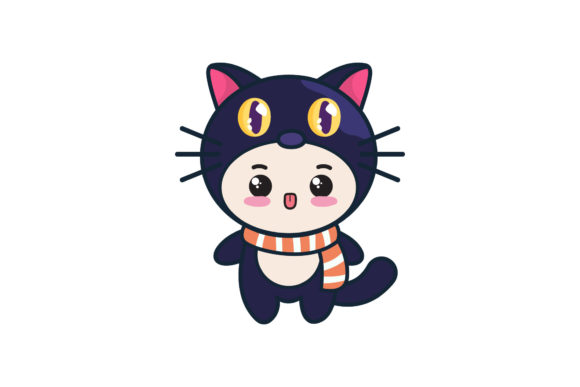
Reviewing the Cat Animal Funny Costume Design
As a designer who spends half my life staring at stitch previews and the other half troubleshooting thread breaks, I have learned to be skeptical of digital assets until I see them on fabric. When I first encountered the Cat Animal Funny Costume design, my initial reaction was not just about cuteness, but about viability. In the world of machine embroidery, a design must survive the transition from screen to needle without losing its charm or structural integrity. This review breaks down how this specific graphic holds up in real-world applications, from boutique apparel to custom home goods.
First Impressions and Visual Personality
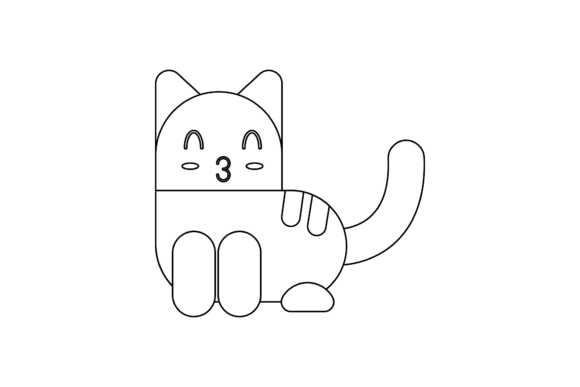
The mood of this design is immediately playful. It captures that whimsical energy that sells well in the handmade market. Visually, the layout suggests a balanced composition, which is critical for embroidery. If a design is too lopsided, it can cause hoop distortion or look awkward on curved surfaces like caps. The theme here is clear: it is meant to evoke joy. For an embroidery project, clarity is king. Complex gradients do not translate well into thread, so a strong, recognizable silhouette is essential. This design appears to rely on bold shapes rather than minute details, which is a positive sign for stitch clarity.
When evaluating Icons and Graphics for conversion into thread, I look for closed shapes and consistent line weights. A machine embroidery design derived from vector sources like AI or SVG files often requires careful digitizing to ensure the stitch density is appropriate. If the original graphic is too dense, the resulting embroidery will be stiff and may pucker the fabric. If it is too sparse, the background fabric will show through, ruining the visual impact.
Real-World Application Scenarios
To truly test a design, you must imagine it on a physical product. I visualized this Cat Animal Funny Costume on a few different items to gauge its versatility.
- Sweatshirt Embroidery: Placed on the left chest of a high-quality cotton blend sweatshirt, this design would serve as a subtle yet charming brand marker or personal statement. The texture of the fleece provides a nice contrast to the smooth thread, making the colors pop.
- Tote Bag Design: For a canvas tote, the design needs to be large enough to be seen from a distance. Given the playful nature, it would work well as a central motif on a reusable shopping bag, appealing to eco-conscious customers who love animals.
- Baby Embroidery: On a soft muslin swaddle or a onesie, the design adds a personalized touch. However, baby skin is sensitive, so the back of the stitching must be clean. This is where proper stabilizer use becomes non-negotiable.
- Embroidered Patch: Creating a merrow-edge patch allows this design to be applied to denim jackets or backpacks later. This extends the life of the finished product and offers customers a versatile accessory.
For Etsy sellers and small shop product creators, versatility is key. A design that only works on one type of fabric limits your inventory. This graphic seems adaptable enough for both custom apparel and home decor, such as pillow covers or kitchen towels.
Technical Considerations for Stitching
While the visual appeal is strong, the technical execution determines whether a craft business can produce this efficiently. Since the product description lists formats like AI, EPS, SVG, and DXF, it is important to note that these are vector graphics formats, not native embroidery machine files like PES or DST. This means the user must either digitize the design themselves or use auto-digitizing software with caution.
Auto-digitizing can sometimes create excessive running stitch connections or poorly planned fill stitch areas. Before committing to a full production run, I always recommend testing the design on scrap fabric. Check for:
- Stitch Density: Is the design too heavy? Heavy density on thin fabric will cause puckering. You may need to adjust the density settings in your digitizing software.
- Thread Colors: Choose high-contrast thread colors to ensure the costume details are visible. A printable mockup can help visualize this, but nothing beats a physical test stitch.
- Small Details: Tiny elements can get lost or break during stitching. Ensure that any fine lines in the costume design are thick enough to hold a satin or running stitch.
If you are using this for commercial embroidery, consistency is vital. Every item must look identical. Test the design on both light and dark fabrics. On dark fabrics, you might need an underlay stitch or a lighter thread color to maintain visibility.
Navigating Fabric and Hoop Constraints
Not every surface is friendly to embroidery. While this design might look perfect on a flat cotton tee, consider its performance on challenging materials. Textured fabrics like terry cloth or waffle knit can obscure small details. Stretchy fabrics require a cut-away stabilizer to prevent distortion over time. If you plan to use this on a cap, remember that the curved surface can distort the image if the design is too wide.
Also, consider the hoop size. If the design is large, you may need a multi-position hoop or a larger frame. Always confirm the actual dimensions of the stitched output, not just the canvas size of the digital file. The description mentions a 1920px x 1280px canvas, but pixel dimensions do not directly translate to inches or millimeters without knowing the DPI and scale used during digitizing.
Building Trust and Brand Value
For creative entrepreneurs, the quality of your design assets reflects your brand. Using a well-executed digital embroidery file enhances customer trust. When a buyer receives a personalized gift that is neatly stitched, with no loose threads or puckering, they are more likely to return. The Cat Animal Funny Costume design, when executed properly, contributes to a professional presentation.
It also aids in marketing. High-quality photos of the embroidered item can be used for design assets in social media posts or online listings. A cute, funny cat design is highly shareable, which can increase engagement and drive traffic to your handmade product listings.
Final Verdict and Practical Advice
The Cat Animal Funny Costume is a promising asset for designers looking to add a touch of humor and warmth to their portfolio. Its strength lies in its thematic appeal and potential versatility across various products. However, because it is provided in vector formats, the responsibility for stitch quality lies with the user. Take the time to digitize it correctly, test it thoroughly, and choose your materials wisely.
Before selling any finished product or digital product, always verify the licensing terms. Ensure you have the right to use the design for commercial purposes. With careful attention to stabilizer choice, thread tension, and fabric selection, this design can become a staple in your embroidery project lineup, delighting customers and boosting your craft business reputation.