Reviewing Daddy 2021 Loading for Embroidery Projects
As a designer who has spent years digitizing patterns and reviewing machine embroidery design files for clients, I have learned that not every graphic translates well to thread. When I first encountered Daddy 2021 Loading, my immediate reaction was curiosity mixed with professional caution. This is not just a static image; it is a concept rooted in humor and timing, specifically targeting the Father’s Day market. For those of us running a craft business or working as an Etsy seller, understanding how a digital asset performs in the physical world is crucial. This review breaks down the practical application of this Print Templates style graphic when adapted for real-world stitching.
First Impressions and Visual Personality
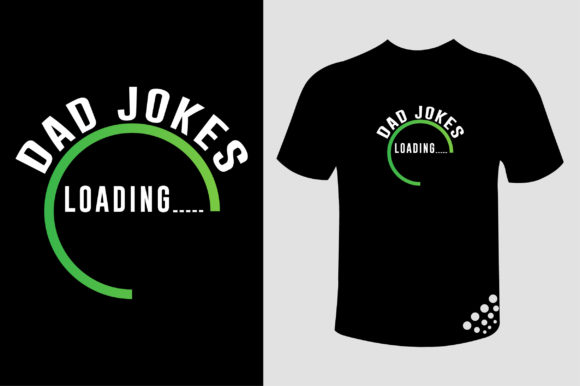
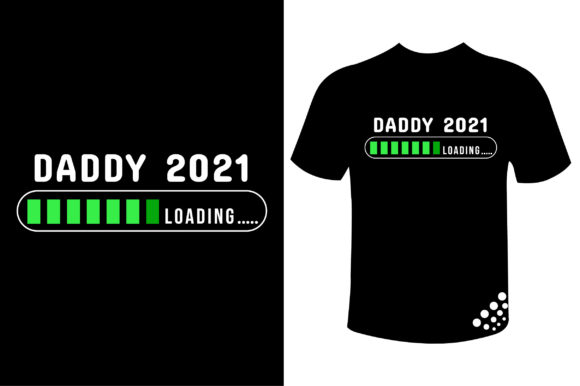
The theme of Daddy 2021 Loading plays on the universal experience of new fatherhood and the digital age. The "loading" motif suggests anticipation, patience, and the gradual process of becoming a parent. Visually, this type of Graphics asset usually relies on clean lines and bold typography to ensure readability. In an embroidery context, clarity is king. If the design is too cluttered, it loses its impact once stitched out. My initial assessment focuses on the balance between negative space and filled areas. A design like this needs to breathe on the fabric. It should feel modern and playful, appealing to younger dads or tech-savvy families looking for a personalized gift that stands out from traditional, overly sentimental options.
Real-World Application: The Sweatshirt Test
To truly evaluate Daddy 2021 Loading, I imagined placing it on a heather grey crewneck sweatshirt. This is a bestseller for many small shop product lines. The texture of fleece or cotton blend provides a sturdy base for stitching. However, the success of the project depends heavily on how the design handles the fabric's nap. If the original file is a vector-based digital embroidery file or high-resolution PNG, it allows for precise scaling. I would recommend testing the design at various sizes to see where the details hold up. For a chest logo placement, the design needs to be compact yet legible. For a full-back statement piece, it can be larger, but one must watch for excessive stitch density that could make the garment stiff and uncomfortable.
Beyond apparel, consider a canvas tote bag design. Canvas is forgiving and holds stitches well, making it an ideal candidate for this type of humorous graphic. It transforms a simple grocery bag into a conversation starter. Similarly, an embroidered patch featuring this design could be sold as a standalone accessory, allowing customers to iron or sew it onto jackets, hats, or diaper bags. This versatility increases the perceived value of the design assets you are working with.
Navigating Technical Challenges
While the concept is strong, execution requires technical diligence. One major consideration is the "loading" element. If this includes a progress bar or pixelated graphics, these small details can be tricky. Tiny squares or thin lines may require a running stitch or very fine satin stitch work. On textured fabrics like terry cloth towels or waffle-knit shirts, these fine details might get lost. I always advise checking the thread colors against the fabric background. High contrast is essential. A dark thread on a dark shirt will render the joke invisible. Always create a printable mockup in black and white first to check for value contrast before committing to colorful threads.
Another critical factor is the hoop size. Ensure the design fits comfortably within your machine’s standard hoops without requiring excessive re-hooping, which can lead to alignment issues. If the design is wide, it might fit better in a rectangular hoop. Also, consider the stabilizer. For stretchy fabrics like t-shirts, a cut-away stabilizer is non-negotiable to prevent puckering around the text. For woven fabrics like aprons or pillow covers, a tear-away might suffice, but testing on scrap fabric is the only way to be sure.
Commercial Viability and Customer Appeal
From a business perspective, Daddy 2021 Loading taps into a specific niche: new dads. This makes it highly relevant for holiday embroidery campaigns leading up to Father’s Day. Customers are often looking for something funny and relatable rather than generic. This design offers that emotional connection. When used in custom apparel, it enhances the handmade product appeal because it feels curated and timely. However, timing is everything. A design labeled with a specific year like 2021 has a shelf life. If you are using this for current projects, ensure the year is editable or relevant. The product description mentions easy color changes, which is a significant advantage. It allows you to adapt the design for different brand palettes or seasonal trends without needing to redraw the entire graphic.
For commercial embroidery users, licensing is paramount. The provided files include AI, EPS, SVG, PNG, and JPEG formats. This variety suggests the asset is primarily a graphic template that may need to be digitized into a stitch file unless a specific embroidery format (like PES or DST) is also included or created separately. Always confirm the license terms before selling finished items. Many designers allow commercial use of the finished physical product but restrict the resale of the digital file itself. Clarifying this protects your craft business from legal issues.
Practical Designer Notes for Best Results
Before launching this design in your store, follow these steps:
- Test on Scrap Fabric: Never stitch directly on the final garment. Use similar weight and texture scraps to check tension and registration.
- Check Stitch Density: If you are digitizing this from the SVG or AI file, ensure the fill areas are not too dense. Over-digitizing leads to thread breaks and fabric distortion.
- Contrast Check: Verify that the design reads well on both light and dark fabrics. You may need to create two versions of the stitch file with different underlay strategies.
- Verify File Formats: The package includes vector and raster graphics. If you do not have embroidery software to convert these, ensure you have access to a digitizer or pre-made stitch files compatible with your machine.
- Consider the Audience: This design works best for casual, fun contexts. It may not suit formal or traditional boutique branding, so align it with your target demographic.
In conclusion, Daddy 2021 Loading is a versatile and engaging concept for embroidery professionals. Its strength lies in its relatability and modern aesthetic. By paying attention to technical details like stabilizer choice, thread contrast, and fabric texture, you can transform this digital asset into a high-quality finished product that resonates with customers. Whether you are creating a baby embroidery item for a newborn announcement or a humorous tee for a dad-to-be, this design offers a solid foundation for creative expression. Just remember to respect the technical limits of your machine and the physical properties of your materials to ensure professional results every time.