Reviewing Baby Little Funny Circle Clipart for Stitching
As an embroidery designer who spends half my life staring at digitized paths and the other half pulling threads out of bobbin jams, I have learned to look past the pretty preview images. When I download a new asset, especially one labeled as a Freebie, my first question is always practical: will this actually stitch out cleanly on a real garment, or is it just pretty pixels? Recently, I pulled down the Baby Little Funny Circle Clipart to test its viability for a small batch of custom baby gifts. Here is my honest assessment of how this graphic holds up when translated from screen to fabric.
First Impressions and Visual Personality
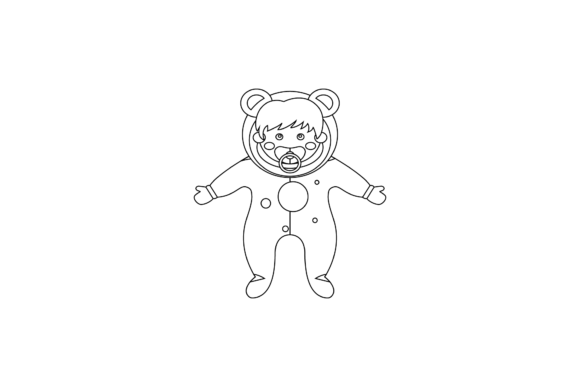
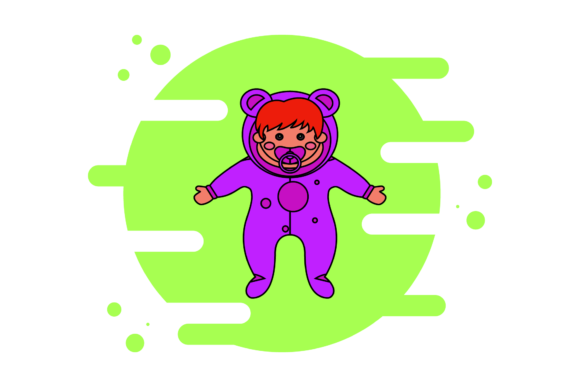
The immediate appeal of Baby Little Funny Circle Clipart lies in its simplicity. In the world of embroidery, complexity is often the enemy of quality, especially when working with small hoop sizes. This design features a clean, circular layout that naturally draws the eye inward. The mood is playful yet contained, making it ideal for projects that require a touch of whimsy without looking cluttered.
From a designer’s perspective, the circular boundary is a smart choice. It provides a natural frame that works well on curved surfaces like caps or rounded baby onesies. The "funny" aspect suggests character and charm, which translates well into thread work if the details are not too fine. However, because this is provided as a set of Graphics including AI, EPS, SVG, DXF, JPG, and PNG files, it is crucial to understand that you are receiving vector and raster image data, not a pre-digitized machine embroidery file. This distinction changes how you approach the project entirely.
Real-World Application: The Custom Tote Test
To evaluate the practical utility of this clipart, I decided to use it for a custom embroidered tote bag order. The client wanted something cute but gender-neutral for a baby shower gift. I imported the SVG file into my digitizing software to convert it into a stitch file. The clean lines of the circle made the auto-digitizing process surprisingly smooth, though manual tweaking was still necessary to ensure professional results.
The design shone brightest when applied to a canvas tote. The sturdy fabric texture provided a stable base for the stitches, allowing the shape to remain crisp. For sweatshirt embroidery, I would recommend using a cut-away stabilizer to prevent the fabric from puckering under the weight of the thread. The circular motif sits nicely on the left chest area of a hoodie or the center of a pillow cover, offering a balanced visual weight that feels intentional rather than slapped on.
Navigating Fabric and Hoop Constraints
While Baby Little Funny Circle Clipart is versatile, it is not without its limitations. If you plan to use this on stretchy fabrics like jersey knits for baby clothes, you must be vigilant about stabilization. Without proper support, the circular shape can distort into an oval during washing. I always advise testing the design on scrap fabric first, especially if you are new to digitizing vector graphics into stitch files.
Hoop size is another critical factor. Since the original canvas size is 1920px by 1280px, the scalability is high, but the detail level must match your hoop. If you are shrinking this down for a small cap patch or a tiny pocket accent, ensure that any internal details within the circle do not become so dense that they cause thread breaks or needle hits. A satin stitch border might look elegant, but if the circle is too small, a running stitch or a simple fill stitch may provide better clarity and durability.
Commercial Viability for Etsy Sellers
For craft business owners and Etsy sellers, the value of this asset lies in its editability. Receiving the AI and EPS files means you can customize colors to match specific brand palettes or seasonal themes. This is invaluable for creating cohesive collections for holiday embroidery or boutique branding. You can easily swap thread colors in your mockups to show customers how the design looks in pastel blues, soft pinks, or neutral creams.
However, remember that selling finished products using this design requires careful attention to licensing. While it is listed under Freebies, always confirm the commercial use terms before listing items in your small shop product line. Using this clipart to create printable mockups or digital product previews is a great way to boost buyer engagement, as the clean aesthetic photographs well against various backgrounds.
Technical Notes for the Digitizer
Since you are working with graphic files rather than a pre-made embroidery file, here are my technical recommendations for best results:
- Check Contrast: Before stitching, view the design in black and white. If the internal details disappear, simplify them. High contrast ensures the design reads well from a distance.
- Stitch Density: Avoid over-digitizing. A heavy fill stitch inside a small circle can make the fabric stiff. Use a lighter density or consider an applique design approach where fabric fills the shape and thread outlines it.
- Thread Choice: Polyester threads offer better durability for items that will be washed frequently, such as baby clothes and kitchen towels. Rayon offers shine but may fray faster on textured fabrics.
- Test Runs: Always run a test stitch-out on similar fabric to check for registration issues. Curved lines can sometimes shift if the tension is not balanced correctly.
Final Verdict on Design Utility
The Baby Little Funny Circle Clipart is a solid addition to any designer’s toolkit, provided you are comfortable with the digitizing process. It lacks the convenience of a ready-to-stitch DST or PES file, but it makes up for it in flexibility. You control the stitch type, the density, and the final size. For handmade product creators who want full control over their embroidery project, this is a beneficial trade-off.
It works exceptionally well for personalized gifts where a clean, friendly aesthetic is required. Whether you are decorating aprons, creating nursery decor, or adding a signature touch to custom apparel, this graphic provides a reliable foundation. Just remember that the quality of the final embroidered patch or garment depends less on the clipart itself and more on how well you translate those vectors into efficient, durable stitches. With careful planning and proper stabilizer use, this design can elevate your small shop merchandise from amateur to professional grade.