Review: Funny Knee Surgery Torn ACL Volleyball Design
As a designer who spends half my life staring at stitch previews and the other half troubleshooting thread breaks, I have learned that not every cute graphic translates well to fabric. When I first pulled up the Funny Knee Surgery Torn ACL Volleyball file, my immediate reaction was one of amused recognition. It captures a very specific, shared trauma among athletes with a humor that is both self-deprecating and resilient. But amusement is only half the battle in embroidery; the other half is technical execution.
This review comes from the perspective of someone who has stitched hundreds of similar novelty designs for clients. I am looking at this not just as a piece of art, but as a functional asset for your craft business. Whether you are an Etsy seller looking to expand your sports recovery niche or a hobbyist making a gift for a teammate, understanding how this design behaves under the needle is crucial.
First Impressions and Visual Personality
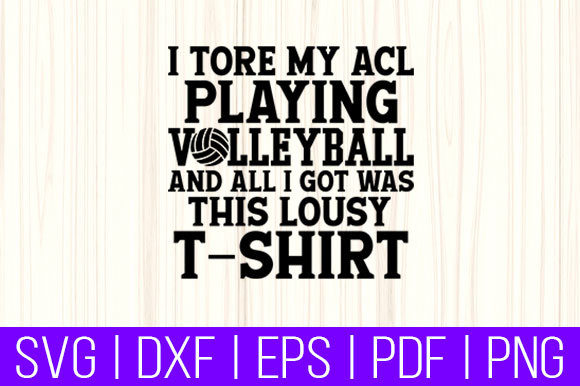
The mood of this design is lighthearted despite the medical subject matter. It leans into the camaraderie of volleyball culture, where injuries are often worn as badges of honor. Visually, the layout appears balanced, combining text elements with graphical icons that represent the knee and the sport. For an embroidery project, this balance is vital. If the text overwhelms the icon, it becomes hard to read on textured fabrics. If the icon is too small, it gets lost in the stitch density.
What stands out is the potential for personality. This isn't just a generic medical clip art; it is a conversation starter. In a retail setting or on social media, this kind of design assets stops the scroll. It signals that the creator understands the customer's journey through injury and recovery. That emotional connection is what drives sales for small shop products.
Real-World Application: The Recovery Sweatshirt
Let’s put this into a real-life scenario. Imagine a client coming to you with a request for a custom gift for their daughter, who just tore her ACL during volleyball season. You decide to use this design on a high-quality heather grey sweatshirt. This is a classic sweatshirt embroidery application.
Because the design likely contains both solid shapes and text, you need to consider the stitch density. On a thick fleece or French terry cloth, dense areas can cause puckering if not properly stabilized. I would recommend using a medium-weight cut-away stabilizer to support the fabric throughout the wear and wash cycle. The humor of the design shines here because it transforms a painful experience into something wearable and proud. It turns a personalized gift into a morale booster.
Alternatively, this design works exceptionally well as an embroidered patch. Patches are trending heavily right now. By stitching this design onto twill or felt and then applying it to a tote bag design or a denim jacket, you bypass the issue of stitching directly onto stretchy or difficult fabrics. This approach also allows you to sell the patch as a standalone handmade product, giving customers the flexibility to apply it themselves.
Technical Considerations for Stitching
While the concept is strong, the execution requires attention to detail. Since this is provided as SVG, DXF, EPS, PNG, and JPG formats, it is primarily a cut file compatible with Silhouette and Cricut machines. However, many of us in the embroidery world use these vector files as a base to create our own machine embroidery design files using digitizing software. If you are using it as a reference for digitizing, pay close attention to the curves of the knee illustration.
If you are using a pre-digitized version or converting it yourself, watch out for tiny lettering. Small text can easily become illegible if the running stitch or satin stitch width is too narrow. On a cap or curved surface, distortion is a real risk. I always advise testing the design on a scrap piece of the same fabric type before committing to the final finished product. Check the contrast between your thread colors and the fabric. A white thread on a light grey shirt might vanish, whereas a bold team color against a neutral background will pop.
Be cautious with dark fabric backgrounds. If the design relies on fine lines, they may get lost. In such cases, consider adding a backing layer or using a lighter thread color to ensure visibility. Also, verify the hoop size required. If the design is large, you might need a 5x7 or larger hoop, which limits the types of garments you can easily embroider without re-hooping.
Commercial Viability and Brand Consistency
For commercial embroidery professionals, this design fits neatly into the "sports recovery" niche. It is specific enough to attract a dedicated audience but broad enough to appeal to anyone who has suffered a knee injury while playing sports. Using this in your portfolio shows versatility. It demonstrates that you can handle humorous, text-heavy designs with care.
However, always check the licensing terms. Just because a file is available in multiple formats like Print Templates or Graphics does not automatically grant commercial rights for physical goods. Ensure you have the right to sell items made with this design. If you are creating printable mockup images for your online store, this design offers great visual interest. It looks good in flat lays and on models, helping to boost buyer engagement.
Final Verdict for Makers
The Funny Knee Surgery Torn ACL Volleyball design is a solid choice for makers who want to add humor and empathy to their product line. It is not just a graphic; it is a tool for connection. Whether you are creating holiday embroidery gifts for teammates or stocking your shop with custom apparel for local leagues, this design holds up well if treated with technical respect.
Remember to test your thread tension, choose the right stabilizer, and consider the end-user's comfort. A well-stitched joke is a joy to wear; a poorly stitched one is just a reminder of the pain. Take the time to digitize or adjust the file correctly, and you will have a bestseller on your hands. Keep your needles sharp and your humor sharper.