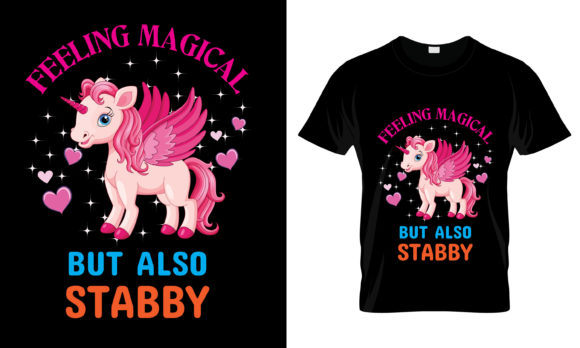
Review: Feeling Magical but Also Stabby T-Shirt Design
As an embroidery designer who has spent countless hours digitizing and testing files for real-world application, I approach every new machine embroidery design with a mix of curiosity and skepticism. We have all seen the flood of generic unicorn graphics online, so when I encountered the Feeling Magical but Also Stabby T-Shirt concept, I wanted to see if it held up under the needle. This is not just about a cute image; it is about whether this embroidery file can translate from a digital asset into a high-quality finished product that sells.
First Impressions and Visual Personality
The immediate appeal of this design lies in its juxtaposition. It captures a specific mood that resonates with modern humor—whimsical yet edgy. For those of us running a craft business or working as an Etsy seller, understanding this nuance is critical. The design does not scream "children's party" exclusively; it has enough attitude to appeal to teens and adults who appreciate irony. Visually, the layout suggests a balance between bold shapes and finer details. When reviewing such Graphics or Print Templates, I look for clean lines that will not blur when stitched out. The theme suggests a playful personality, making it ideal for custom apparel that needs to stand out in a crowded marketplace.
Real-World Application: The Sweatshirt Test
To truly evaluate this design, I imagined placing it on a mid-weight cotton blend sweatshirt. This is a staple item for any small shop product line. The Feeling Magical but Also Stabby T-Shirt motif works exceptionally well here because the larger surface area allows the details to breathe. In a real-life scenario, I would position this on the left chest for a subtle statement or centered on the back for a bold look. The humor lands better when the stitching is crisp. If the design includes text, ensuring the font weight is sufficient for embroidery is key. Thin serifs often get lost in the fabric texture, so a bolder approach usually yields a more professional handmade product.
Beyond sweatshirts, this design translates well to tote bag design projects. A canvas tote with this witty unicorn graphic becomes an instant conversation starter. It moves beyond simple utility into the realm of personalized gift items that people actually want to use daily. For holiday embroidery or birthday gifts, particularly for a daughter or friend with a sharp sense of humor, this design offers a fresh alternative to standard celebratory motifs.
Technical Considerations for Stitching
While the provided product description lists SVG, EPS, and PNG files, it is crucial for embroidery professionals to note that these are primarily vector and raster image formats. To create a true machine embroidery design, one must digitize these assets or ensure they are converted properly. If you are using this as a reference for digitizing, pay close attention to stitch density. Unicorn horns and sharp edges often require careful planning to avoid puckering. I recommend using a combination of satin stitch for borders and fill stitch for larger colored areas. Running stitch can be effective for fine outlines, but only if the fabric is stable.
When working with this type of graphic, always test on scrap fabric first. Check how the thread colors interact. High-contrast combinations work best to maintain the "stabby" edge of the design. If you are stitching on dark fabric, consider using a lighter underlay or adjusting your thread palette to ensure visibility. For curved surfaces like caps, the design might need resizing to fit a standard hoop size without distortion. Always confirm the dimensions before committing to the final garment.
Navigating Fabric and Hoop Constraints
Not every project is suitable for this level of detail. On thin or stretchy fabrics, such as lightweight jerseys or silk blends, the design may pull or distort. In these cases, a robust stabilizer is non-negotiable. I advise using a cut-away stabilizer for garments that will undergo frequent washing, ensuring the embroidered patch or direct stitch remains intact over time. For baby embroidery, softness is paramount, so ensure the back of the stitching is covered or that the design is small enough to avoid irritation.
Small hoop sizes present another challenge. If you are working with a 4x4 inch hoop, you may need to simplify the design or focus on a specific element, such as just the unicorn head or the text. Trying to cram the entire composition into a tiny space can result in muddy details and broken needles. Always inspect small details in a black and white mockup to gauge clarity before stitching.
Commercial Viability and Brand Consistency
For commercial embroidery projects, consistency is key. This design fits well within a brand identity that values humor and authenticity. It enhances buyer engagement because it feels relatable. When listing this as a digital embroidery file or a finished item, clear photography is essential. Use printable mockup tools to show potential customers how the design looks on various products, from aprons to pillow covers. This helps build trust and reduces return rates.
However, always verify licensing terms. While the product description mentions files for personal use, selling finished items or digital products requires clear commercial rights. Never assume a license covers mass production. Check the specific terms provided by the creator to protect your craft business from legal issues. This due diligence is part of maintaining professionalism and brand consistency.
Final Verdict for Designers
The Feeling Magical but Also Stabby T-Shirt design offers a strong foundation for creative embroidery project work. It is versatile enough for boutique branding and personal gifts alike. By paying attention to technical details like stitch density, fabric choice, and proper stabilization, you can elevate this graphic from a simple image to a premium textile asset. Whether you are creating sweatshirt embroidery for a local market or designing design assets for online sale, this motif has the potential to perform well if executed with care. Remember to test, adjust, and always prioritize the quality of the final stitch.