Funny Emoji: A Designer’s Take on Modern Embroidery
As a designer who has spent countless hours digitizing patterns and troubleshooting thread breaks, I approach every new embroidery design with a mix of curiosity and skepticism. We have all been there: you download a file that looks pristine on the screen, only to find it turns into a tangled mess of bobbin thread once it hits the fabric. That is why when I recently evaluated Funny Emoji, I wasn’t just looking at the aesthetic appeal; I was looking for structural integrity, versatility, and real-world application potential.
The first impression of Funny Emoji is striking because it balances modern minimalism with playful character. In the world of Logos and Graphics, it is easy to lean too hard into complexity, but this template keeps things elegant and stylish. For an embroidery project, this simplicity is a massive advantage. It suggests a clean layout that should translate well into stitch data without requiring excessive density adjustments. The mood it creates is approachable and contemporary, making it an ideal candidate for brands or individuals who want to appear friendly yet professional.
Real-World Application: The Tote Bag Test
To truly understand the value of any digital embroidery file, you have to imagine it on a physical product. I visualized using Funny Emoji for a custom tote bag design. Canvas tote bags are a staple for Etsy sellers and craft business owners because they offer a large, flat surface area that is forgiving for stitching. However, the texture of canvas can sometimes swallow up fine details.
Because Funny Emoji is described as versatile and modern, I suspect its bold lines would hold up beautifully against the weave of heavy cotton canvas. Imagine a neutral beige tote with this design stitched in a contrasting charcoal or navy thread. The result would be a chic, understated accessory that appeals to the current market trend of "quiet luxury" mixed with personal expression. It is not just a logo; it becomes a statement piece. This kind of finished product has high perceived value because the design feels intentional rather than cluttered.
Versatility Across Apparel and Home Decor
Beyond tote bags, the adaptability of this embroidery file shines in custom apparel. Consider a high-quality sweatshirt. Sweatshirt embroidery requires designs that can handle the loft of fleece or French terry fabric. If the design relies too heavily on tiny satin stitch details, it can sink into the fabric and disappear. Given the elegant and modern nature of Funny Emoji, it likely utilizes broader shapes that sit well on textured surfaces. This makes it a safe bet for small shop products where consistency across different garment types is crucial.
For those interested in baby embroidery, the playful aspect of the emoji theme is a natural fit. Baby onesies and bibs require designs that are soft and not overly dense to prevent irritation against sensitive skin. If this template allows for easy customization of scale, it could be resized for a small chest placement, creating a adorable personalized gift for new parents. The key here is ensuring the stitch density is adjusted downward for smaller hoops to maintain flexibility in the fabric.
Technical Considerations for the Stitcher
While the aesthetic is promising, any experienced embroidery project manager knows that technical execution is everything. The product description notes that the file includes SVG formats compatible with various design software like Inkscape and Adobe Photoshop. This is excellent news for designers who need to convert vector graphics into machine-readable formats. However, it also places the responsibility of digitization or final adjustment on the user.
Before running this on your main machine, you must consider the hoop size. If you are planning to use this on curved surfaces like caps, you need to ensure the design fits within a standard cap frame without distortion. Caps are tricky; if the design is too wide, it will wrap around the sides and look unprofessional. For embroidered patch creation, however, the contained nature of an emoji-style graphic is perfect. Patches allow you to stabilize the fabric completely before cutting, ensuring crisp edges and high-quality fill stitch coverage.
Another critical factor is fabric choice. On thin or stretchy fabrics, such as performance tees or silk blends, you must use the appropriate stabilizer. A cut-away stabilizer is often recommended for garments that will be washed frequently, as it provides lasting support to the stitches. If you skip this step, even the most elegant design can pucker and distort after the first wash, ruining the handmade product and damaging your reputation as a seller.
Navigating Dark Fabrics and Contrast
One common challenge in commercial embroidery is working with dark fabrics. If Funny Emoji relies on subtle shading, it might get lost on black or navy materials. I recommend testing the design in a mockup with high-contrast thread colors. Sometimes, adding a simple underlay or adjusting the sequence of color stops can make the design pop. For holiday embroidery projects, such as Christmas ornaments or festive aprons, swapping out standard threads for metallics or variegated threads could add a unique twist, provided the design structure supports it.
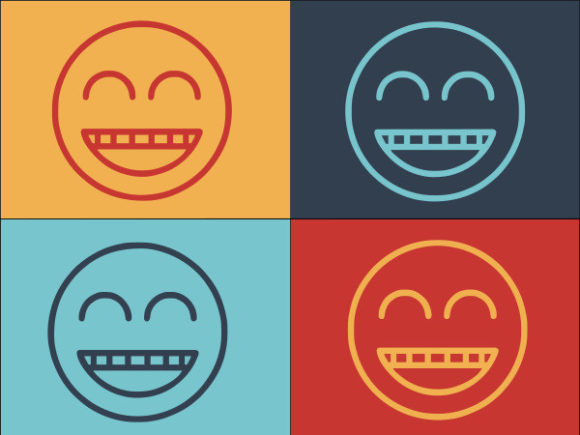
It is also wise to inspect small details. If the emoji includes facial features or text elements, ensure they are not so small that they become indistinguishable when stitched. Tiny lettering and intricate corners are the first things to fail if the needle deflection is not accounted for. If you are unsure, stitch out a test sample on scrap fabric of the same type you intend to use for the final product. This low-cost step saves hours of frustration and wasted materials.
Building Brand Consistency and Trust
For creative entrepreneurs and apparel decorators, consistency is key to building brand trust. Using a cohesive set of design assets helps customers recognize your work. Funny Emoji fits well into a modern, clean aesthetic that many boutique brands strive for. When customers see a well-executed, stylish design on a kitchen towel or a pillow cover, it signals professionalism. It tells them that you care about quality, which encourages repeat business and positive reviews.
Moreover, the ease of customization mentioned in the description allows for personalization at scale. You can offer clients different colorways or slight variations without starting from scratch. This efficiency is vital for maintaining profitability in a small business environment. Whether you are creating printable mockups for your online store or producing bulk orders for corporate clients, having a reliable, versatile template streamlines your workflow.
Final Verdict and Practical Advice
In conclusion, Funny Emoji presents itself as a strong contender for designers looking to expand their library of modern, versatile graphics. Its elegance and style make it suitable for a wide range of applications, from boutique branding to personalized gifts. However, success lies in the preparation. Always verify the license terms before selling finished items, especially if you are using it for commercial embroidery purposes. Check the specific file formats included to ensure they match your workflow, and never underestimate the power of a good test stitch.
By approaching this design with a critical eye and a practical mindset, you can leverage its strengths to create stunning, high-value products that resonate with today’s consumers. Whether you are an experienced digitizer or a hobbyist just starting out, this template offers a solid foundation for creative exploration.