Cryptocurrency Logo Funny Character: A Designer’s Review
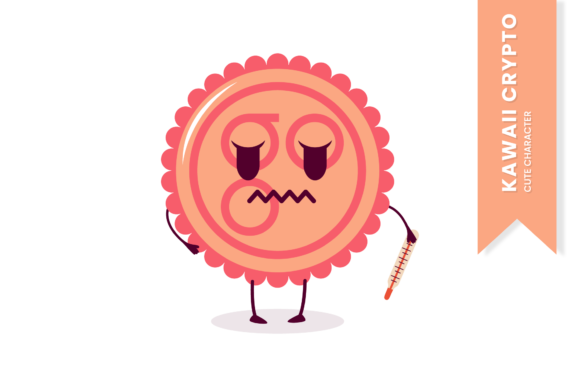
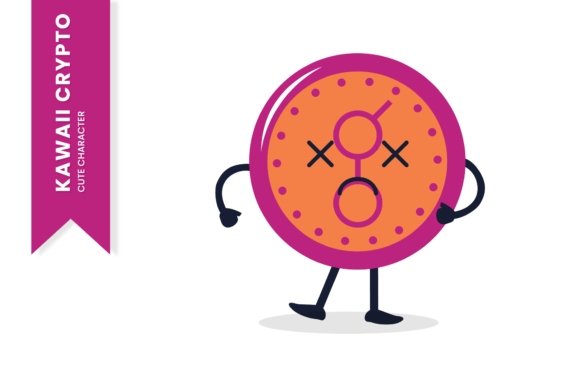
As an embroidery designer who has spent years translating digital concepts into tangible thread, I approach every new machine embroidery design with a mix of curiosity and caution. We have all been there: downloading a file that looks crisp on the screen but turns into a tangled mess of thread breaks and puckering on the fabric. Recently, I took a close look at the Cryptocurrency Logo Funny Character, a piece categorized under Illustrations and Graphics, to see if it holds up in real-world production.
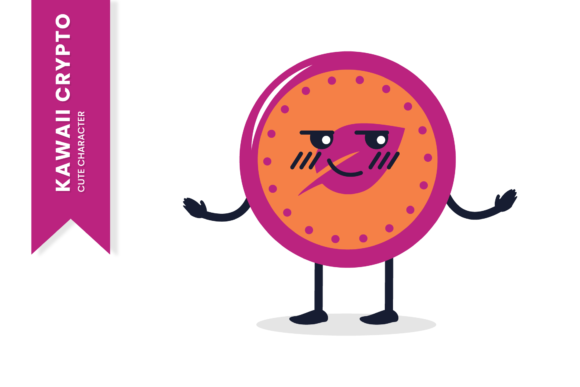
The first impression is distinct. This isn’t just another generic coin icon; it carries personality. The "funny character" aspect suggests a playful, approachable vibe that softens the often cold, technical aesthetic of cryptocurrency branding. For those of us creating handmade products, this emotional connection is vital. A sterile logo might work for a corporate bank, but for a custom apparel line or a quirky Etsy seller, you need design assets that spark conversation. The layout appears balanced, with clear shapes that should translate well into stitch work, provided the digitizer paid attention to density and pathing.
Real-World Application: The Tote Bag Test
To truly evaluate this design, I imagined a specific project: a canvas tote bag for a tech-savvy client attending a blockchain conference. Canvas is a forgiving yet textured fabric, making it an excellent testing ground for any embroidery file. The Cryptocurrency Logo Funny Character needs to stand out against the weave of the cotton. In this scenario, the humor in the character design becomes a selling point. It transforms a standard promotional item into a personalized gift or a boutique accessory that people actually want to carry.
If you are planning to use this for sweatshirt embroidery, the dynamics change slightly. The plush texture of fleece can swallow small details. However, because this design relies on a strong character silhouette rather than intricate micro-details, it should maintain its clarity. The bold lines likely utilize a combination of fill stitch for the body and satin stitch for outlines or facial features. This contrast is crucial for visual appeal. When a customer sees the finished product, they should immediately recognize the character without squinting. That instant recognition builds trust in your craftsmanship.
Navigating Fabric and Hoop Constraints
While the design shows promise, practical experience dictates we consider where it might struggle. If you are working with thin fabric like silk or lightweight rayon, the stitch density becomes a critical factor. Heavy fill areas can cause puckering if not properly supported. Always use a high-quality stabilizer—cut-away for stretchy fabrics like t-shirts and tear-away for stable wovens like aprons or pillow covers. I recommend testing the design on scrap fabric first. This simple step saves hours of frustration and protects your reputation as a professional.
Another consideration is the hoop size. The product description mentions a canvas size of 1920px by 1280px, which is a digital resolution metric, not an embroidery hoop dimension. This is a common point of confusion for beginners. You must verify the actual physical dimensions of the embroidery pattern within your software before loading it onto the machine. If the design is too large for a standard 4x4 inch hoop, you may need to resize it, which can alter the stitch density and potentially compromise quality. Conversely, if it is small, ensure it doesn’t get lost on a large garment like a blanket or coat.
Commercial Viability and Brand Consistency
For craft business owners and small shop product creators, consistency is key. The Cryptocurrency Logo Funny Character offers a unique angle for niche marketing. Imagine a line of embroidered patches for laptop bags or a series of holiday embroidery gifts for crypto enthusiasts. The humorous tone makes it versatile. It fits well within the realm of digital embroidery file collections that cater to modern, internet-culture-savvy audiences.
However, commercial use requires diligence. The product listing indicates you receive digital files, including an AI file. This suggests the original vector artwork is included, which is a significant bonus for designers who want to create printable mockups or modify colors before stitching. Being able to adjust thread colors in the vector stage allows you to match specific brand palettes or create variations for different seasons. For instance, swapping bright neon threads for muted pastels could transform the same design from a bold statement piece to a subtle baby embroidery accent on a onesie.
Technical Notes for the Embroiderer
Before committing to a full production run, keep these practical tips in mind:
- Check Thread Contrast: Ensure your thread colors pop against the fabric. A dark character on a dark shirt will vanish. Use light threads on dark fabrics and vice versa, or consider an applique background if the design supports it.
- Inspect Small Details: Zoom in on the character’s eyes or mouth. Are there tiny satin stitches that might snag? If so, consider simplifying those areas or using a finer needle.
- Verify Licensing: The description mentions "commercial embroidery" potential, but always read the specific license terms provided by the creator. Some files allow unlimited sales of finished physical items, while others restrict digital resale or require attribution.
- Test on Curved Surfaces: If applying this to caps or hats, remember that the curvature distorts the image. A design that looks proportional flat may appear stretched or compressed on a curved brim. Adjust your positioning accordingly.
The inclusion of an AI file alongside the embroidery formats is a thoughtful touch. It bridges the gap between graphic design and textile art, allowing for greater flexibility in creating design assets for social media previews or packaging. This dual-format approach adds value for creative entrepreneurs who need to market their finished product effectively online.
Final Verdict
The Cryptocurrency Logo Funny Character is more than just a novelty; it is a viable tool for modern makers. Its strength lies in its personality and adaptability. Whether you are creating a tote bag design for a local meetup or a custom apron for a tech-themed kitchen, this design offers a fresh take on a popular subject. Just remember to respect the technical limits of your machine and fabric. With proper preparation, stabilizer choice, and thread selection, this design can elevate your portfolio and delight your customers. It is a solid addition to any library of Illustrations and Graphics intended for tactile creation.